- A "Settled" status means the lender accepted a financial haircut, leaving a severe negative flag on your credit file.
- Settled accounts remain visible on credit bureau records for up to 7 years, causing automated rejection by prime banks.
- Third-party collection agents often misrepresent settlements as complete loan closures to meet monthly recovery quotas.
- You can cure a settled loan by approaching the lender, paying the waived residual balance, and obtaining an unconditional "Closed" NDC.
The Terminology Trap: "Closed" vs "Settled" vs "Written-Off"
When borrowers encounter debt stress, banks often offer a "One-Time Settlement" (OTS). Recovery agents frequently tell consumers: "Pay 50% today and your loan will be closed and your CIBIL will be clear." This is legally false.
Here is the crucial distinction between how loan closures are reported to Indian credit bureaus:
| Reported Status | Financial Reality | Bureau Record | 7-Year Prime Loan Impact |
|---|---|---|---|
| Closed (Regular) | Paid 100% of principal, contractual interest, and fees | Clean positive closure; boosts credit score | Full approval for prime home and auto loans |
| Settled (OTS) | Bank accepted partial payment and waived residual balance | Reported as "Settled"; indicates lender loss | Blocked by Tier-1 banks (SBI, HDFC, ICICI) for up to 7 years |
| Written-Off | Lender deemed entire debt uncollectible and booked a loss | Severe default tag; worst possible credit status | Immediate rejection across entire formal banking system |
| Post-Write-Off Settled | Borrower settled a debt after it was already written off | Indicates severe delinquency followed by haircut | Severe negative flag; requires manual management exception |
The 4-Step Remediation Protocol: Converting "Settled" to "Closed"
If you previously settled an account and now wish to qualify for a home loan, you can legally upgrade the status. The process requires resolving the unpaid waiver:
Step 1: Contact the original lender’s Credit Operations or Stressed Assets Resolution Department (SARC).
Step 2: Request an Outstanding Balance Statement detailing the exact principal and interest amount that was waived during the OTS.
Step 3: Pay the waived differential amount in full to the bank.
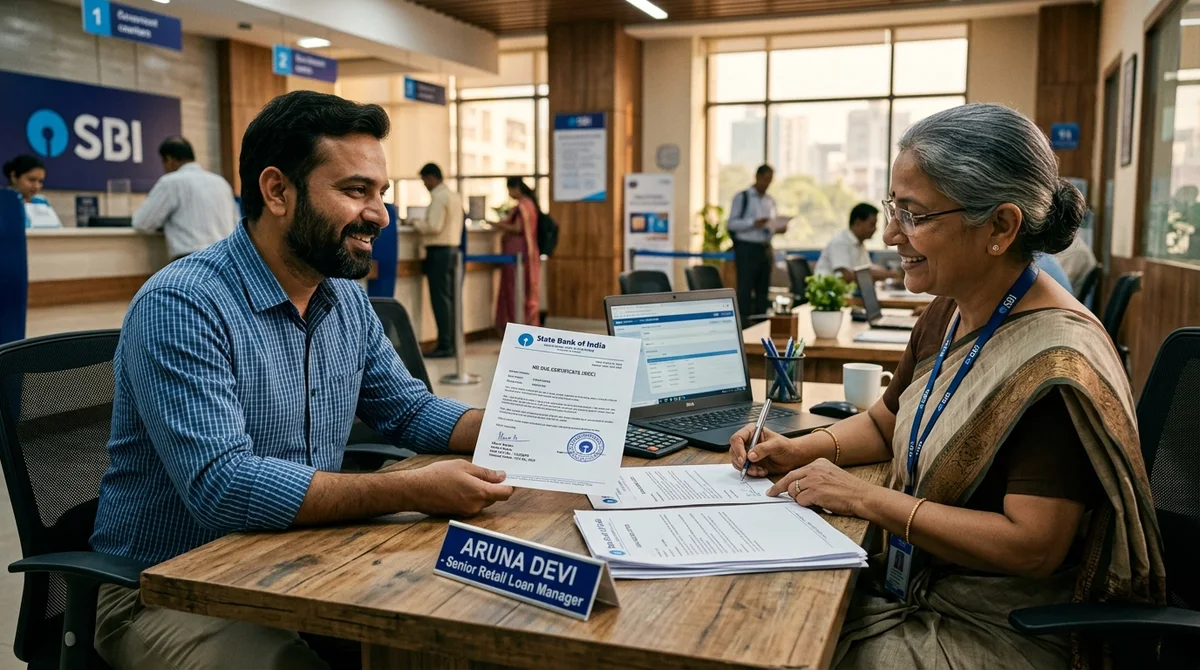
Step 4: Insist on an unconditional No Dues Certificate (NDC) explicitly confirming: "The account has been closed in full with zero outstanding balance."
Ensure the NDC specifically mentions that the bank will update all 4 credit bureaus within 30 days.
RBI Master Direction on Transfer of Loan Exposures & Compromise Settlements, 2023 — Guidelines on Reporting OTS to CICs.